
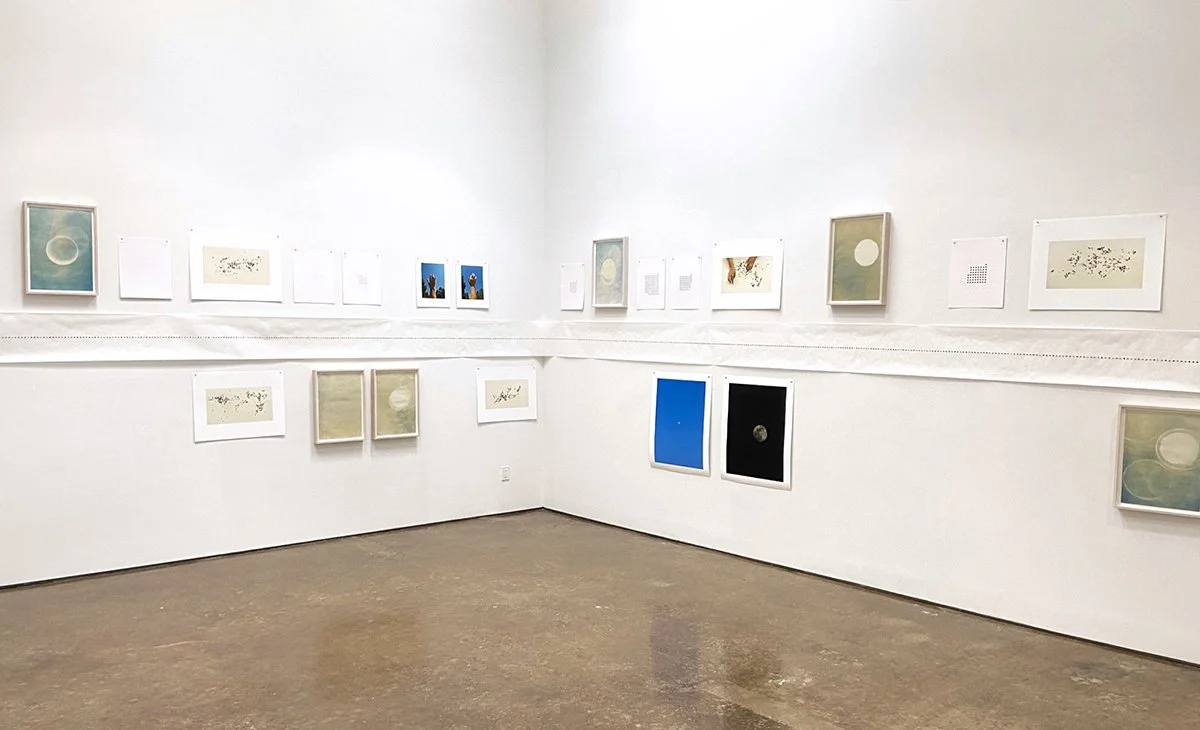
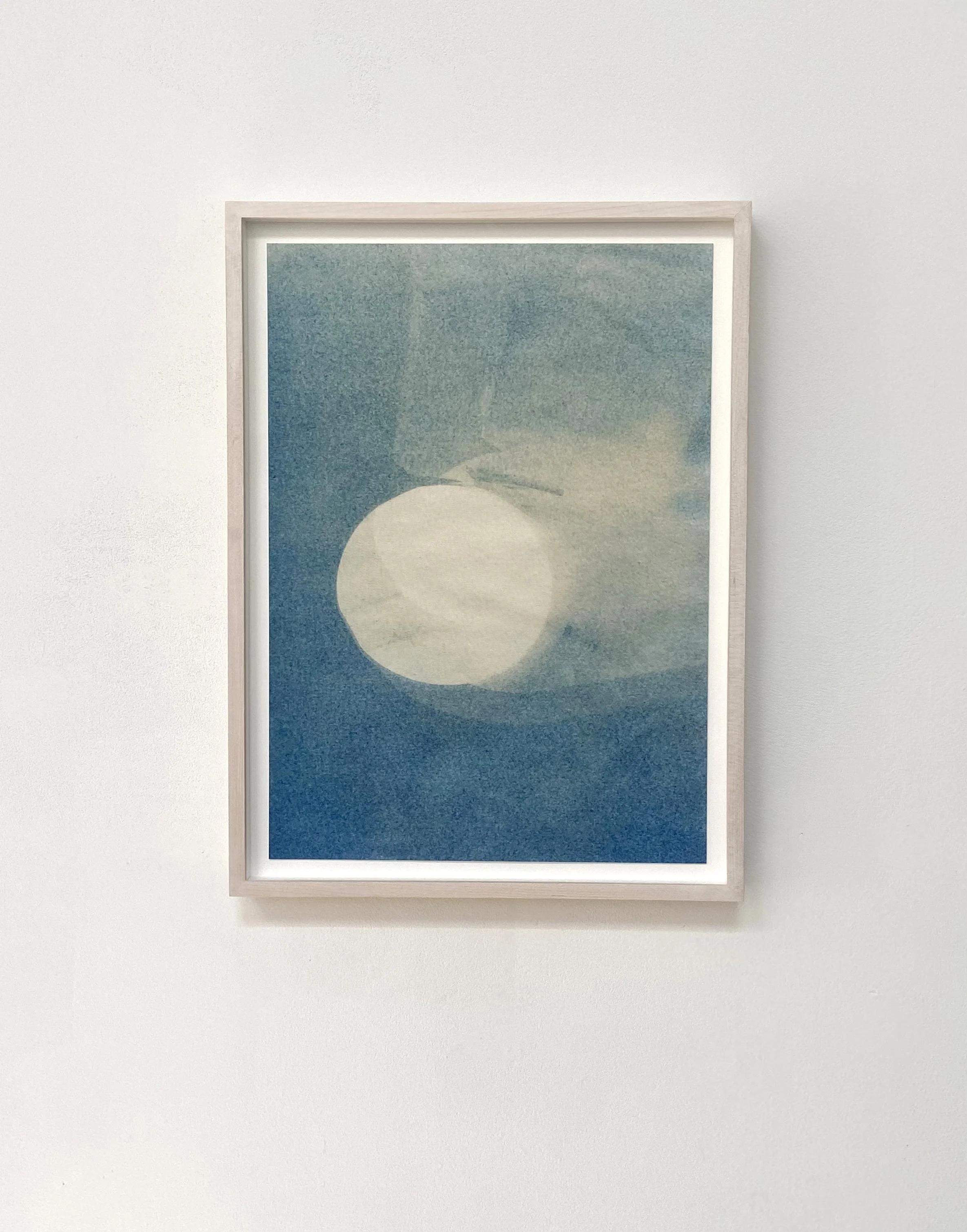
from the series “Twelve Photographs of the Moon” (after Turner, after De la Rue) Plates VII, 2026, pigment print, edition of 3, 18 x 12 inches
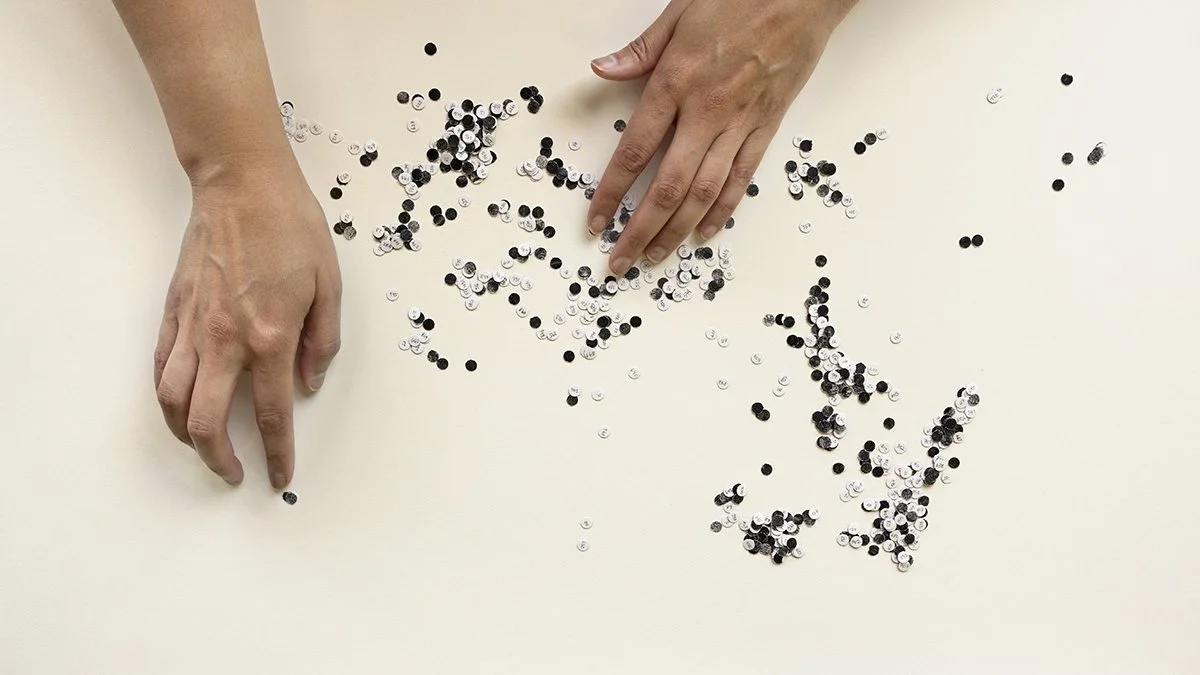
As If Seen From Here (Plate IV), 2026, pigment print, edition of 3, 17 x 22 inches
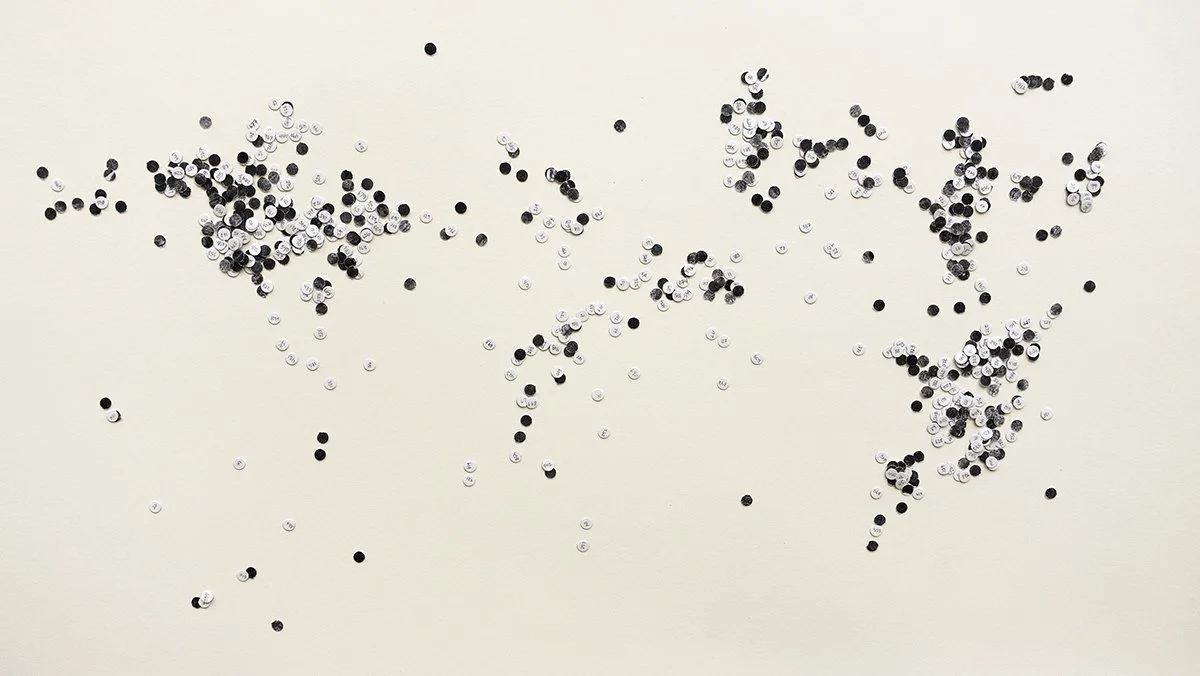
As If Seen From Here (Plate III), 2026, pigment print, edition of 3, 17 x 22 inches
An eclipse occurs as the result of an alignment of celestial bodies, where shadow overtakes light to produce an observable phenomenon. These occurrences are rare yet emerge under the canopy of predictability, tethered to time. For Erika DeFreitas, the eclipse has an emblematic alignment with her ongoing work around the dialectics of presence and absence, conditions often revealed through loss or deliberate concealment. Looking to a suite of early scientific photographs of an eclipse as a jumping off point, DeFreitas moved between image as specimen and image as awe. Using a range of imaging methodologies, and counting a hole punch and dollar store cyanotype paper among her tools, DeFreitas considers the idea of “trace” as a way to situate wonder and proof in the same frame.
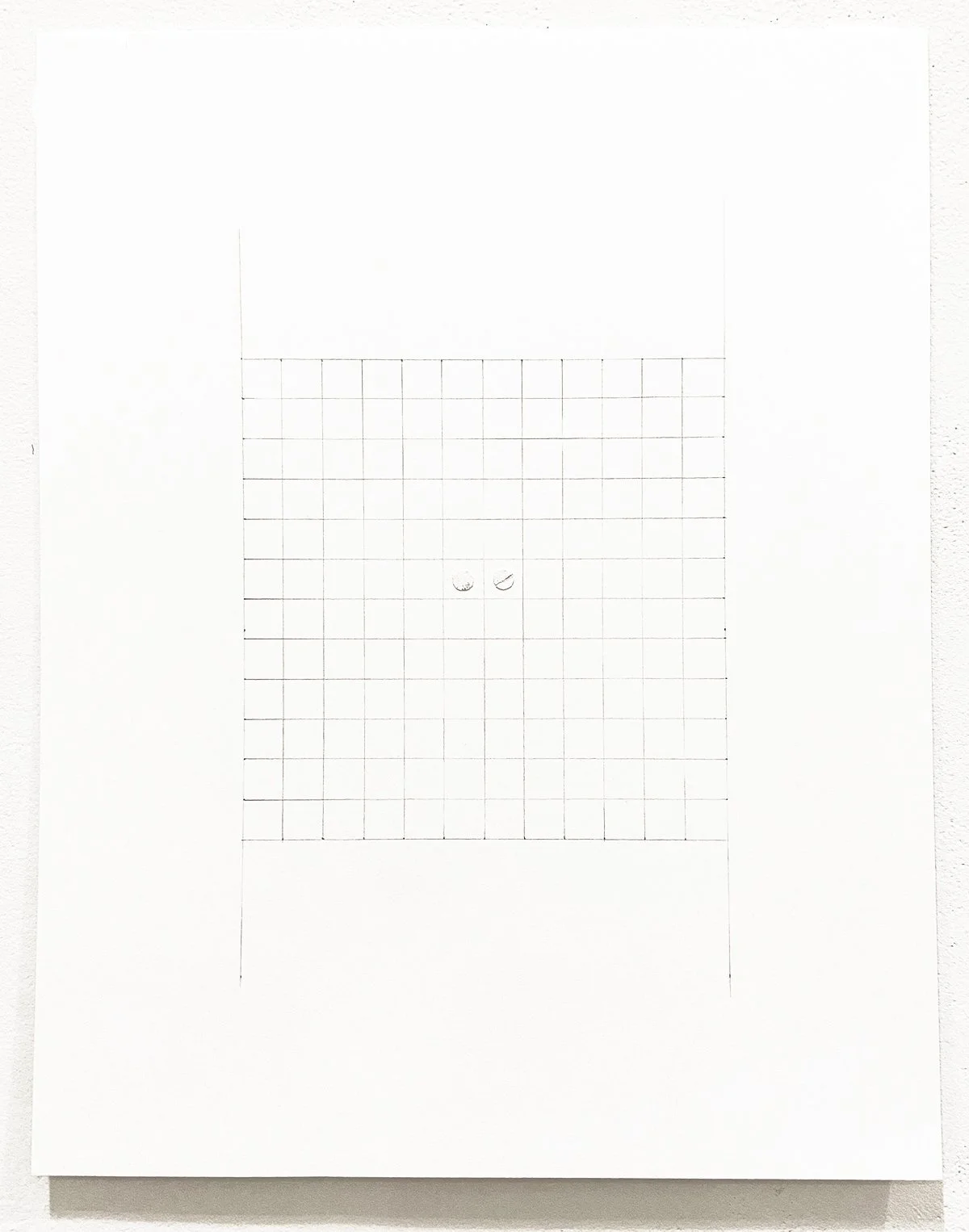
Photograph of the eclipse of the sun, July 18, 1860/2026: Diagram1, 2026, cutout, graphite on paper, 14 x 11 inches
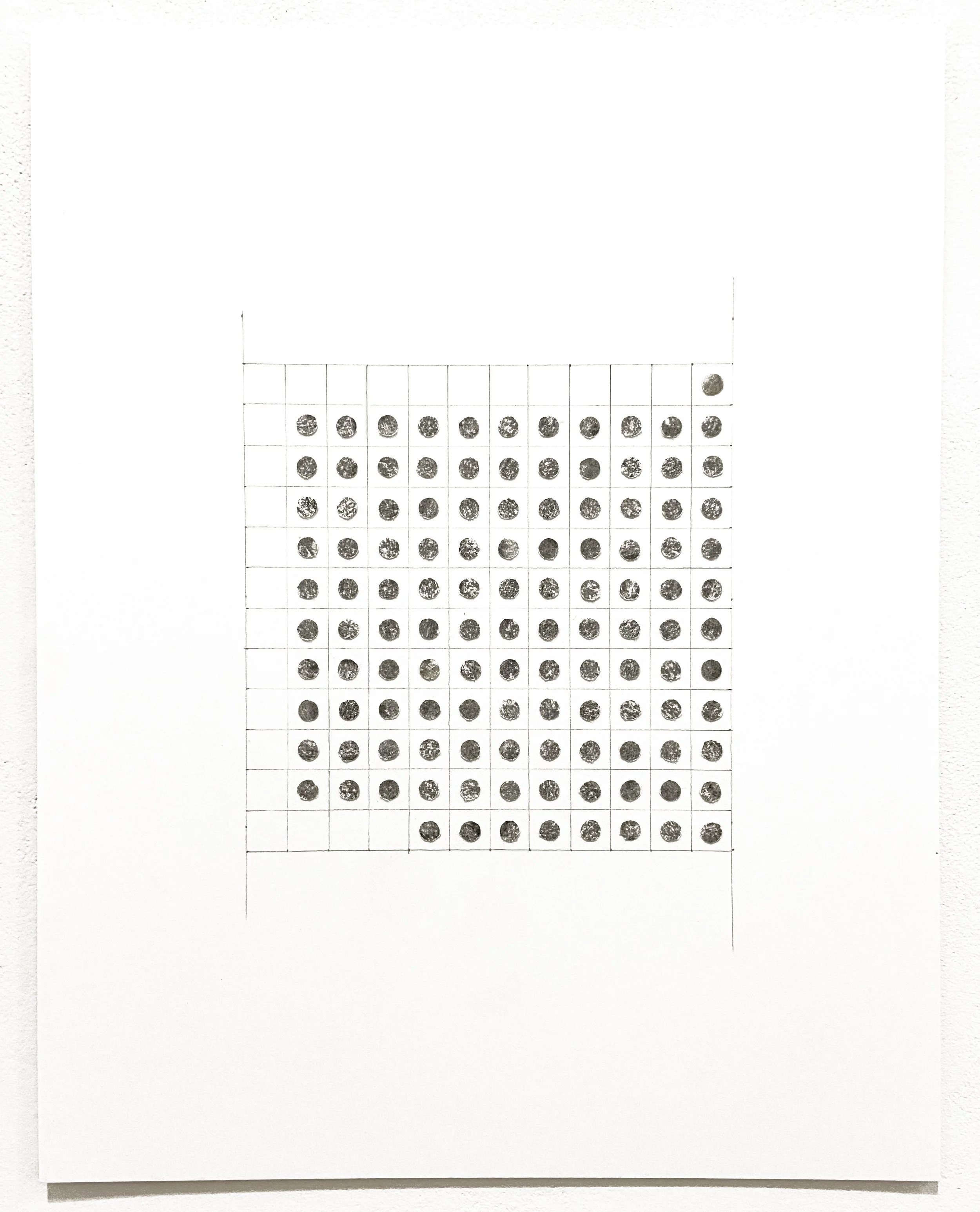
Photograph of the eclipse of the sun, July 18, 1860/2026: Diagram 7, 2026, cutout, graphite on paper, 14 x 11 inches
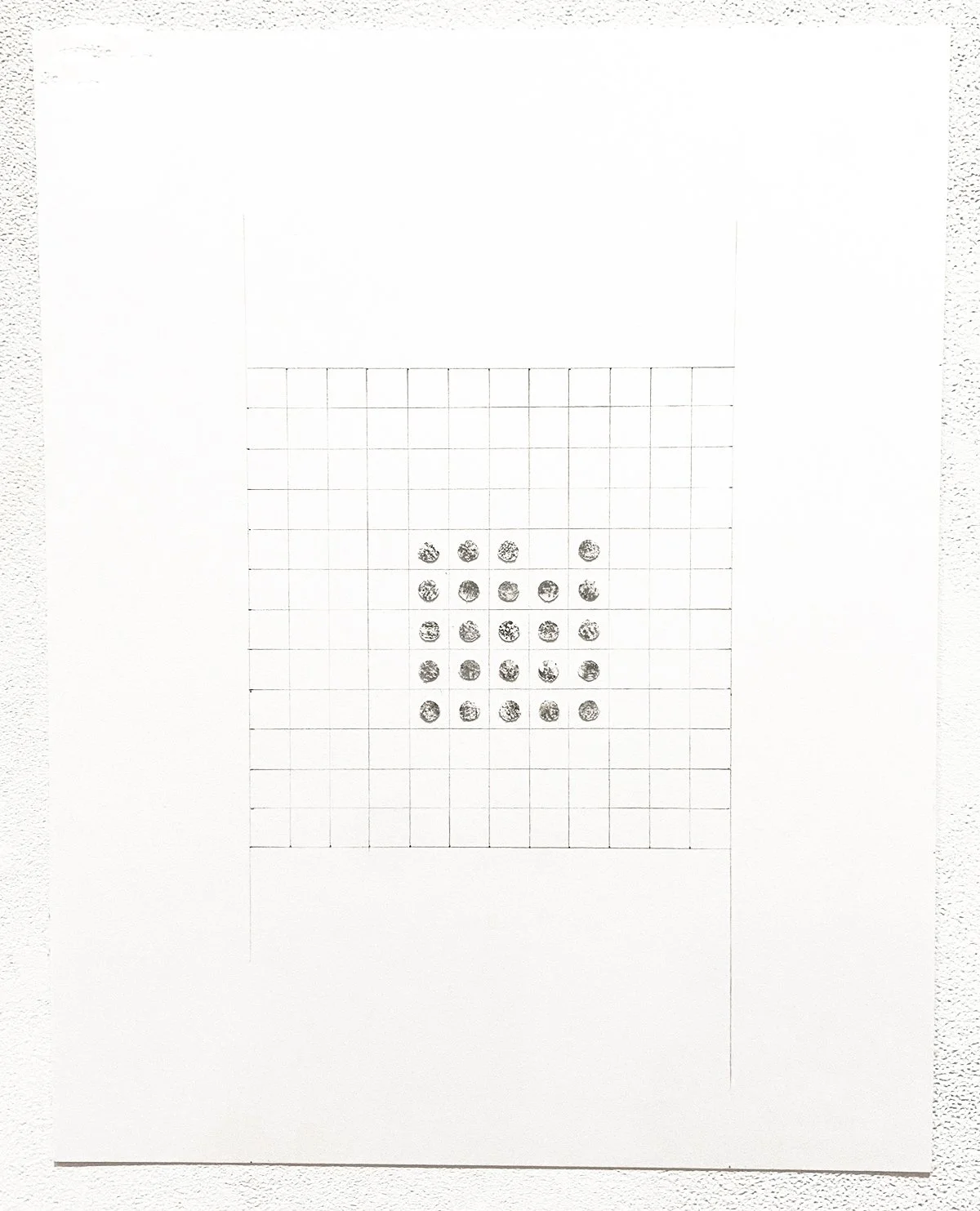
Photograph of the eclipse of the sun, July 18, 1860/2026: Diagram 4, 2026, cutout, graphite on paper, 14 x 11 inches
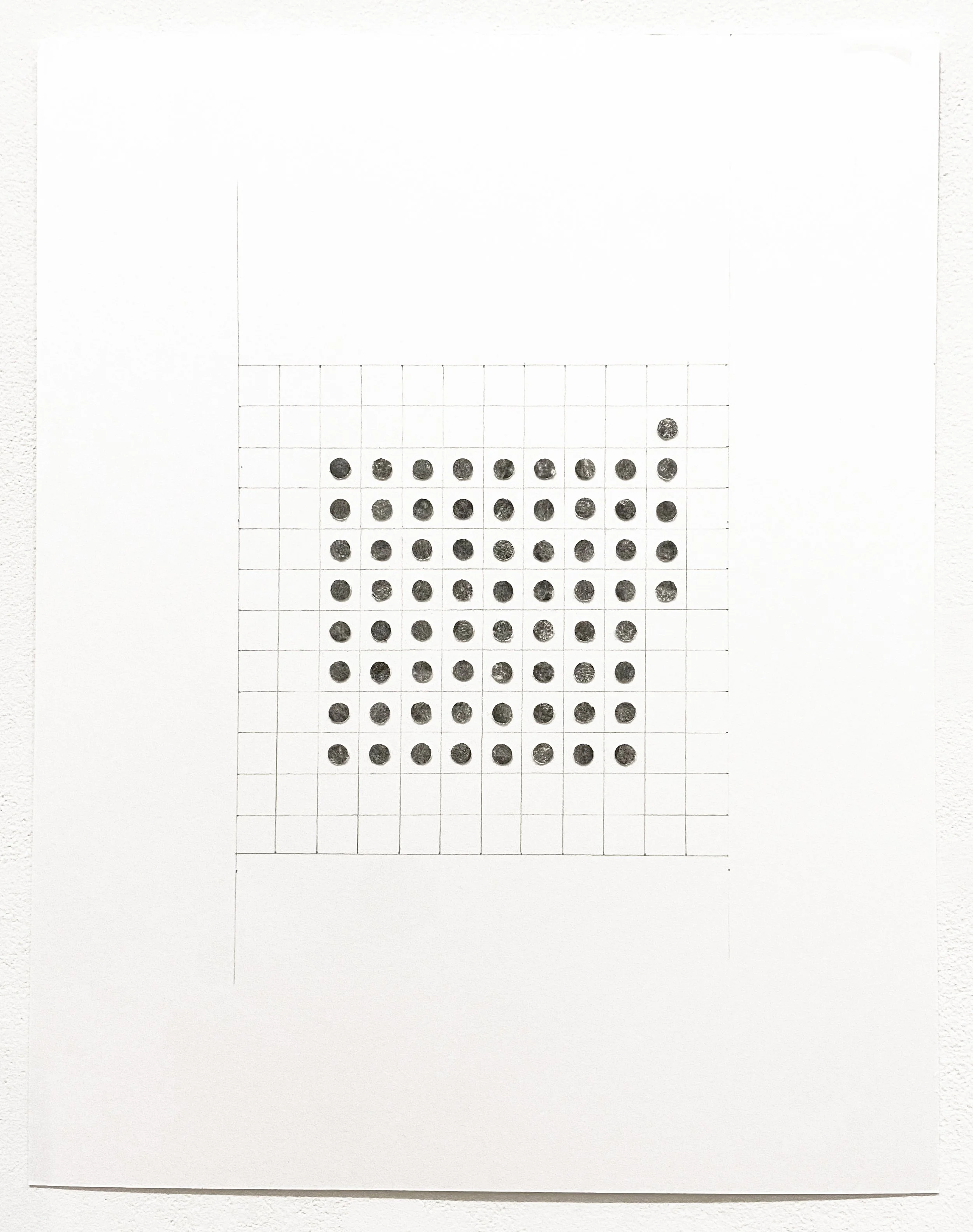
Photograph of the eclipse of the sun, July 18, 1860/2026: Diagram 9, 2026, cutout, graphite on paper, 14 x 11 inches